
A Rockstar Games faces a new storm. More than 220 Rockstar North employees demand the reinstatement of 31 colleagues fired after accusations of unionization. The company denies any connection with union activities, but the IWGB union accuses the developer of repressing labor movements.
Controversy as fuel
This isn’t the first time the Grand Theft Auto creator has found herself at the center of explosive controversies. Since 1997, when he hired controversial adman Max Clifford to turn moral outrage into free publicity, Rockstar has learned that controversy sells. Clifford, famous for creating manufactured scandals in the British media, orchestrated debates in the House of Lords six months before the release of the first GTA, generating headlines such as “criminal computer game that glorifies criminals”. His strategy was simple: “Forget convention and embrace GTA criminality in all its glory.”
Rockstar distributed fake “fines” on cars with the game’s logo, used excerpts from parliamentary debates in radio campaigns and even distorted a programmer’s car accident into sensationalist headlines. The tactic worked: when the British Board of Film Classification rated GTA for over 18s, the game was declared “the most controversial in a decade” even before its release in the US. Manufactured controversy became the company’s DNA — and the formula continues today.
Remember four moments when the controversy stopped being a marketing strategy and turned into a real crisis at Rockstar.
1. Hot Coffee: the sexual content that cost $20 million
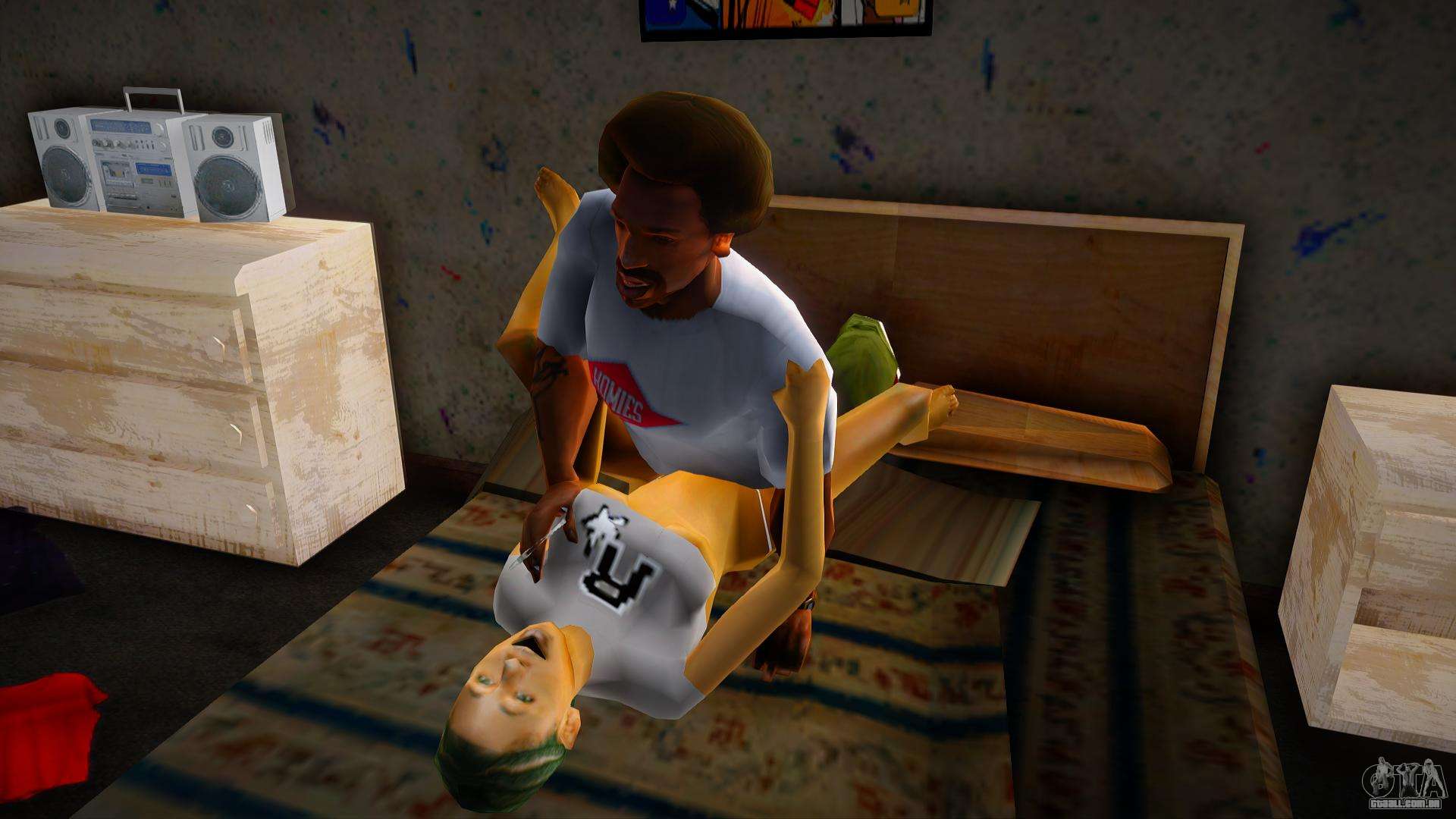
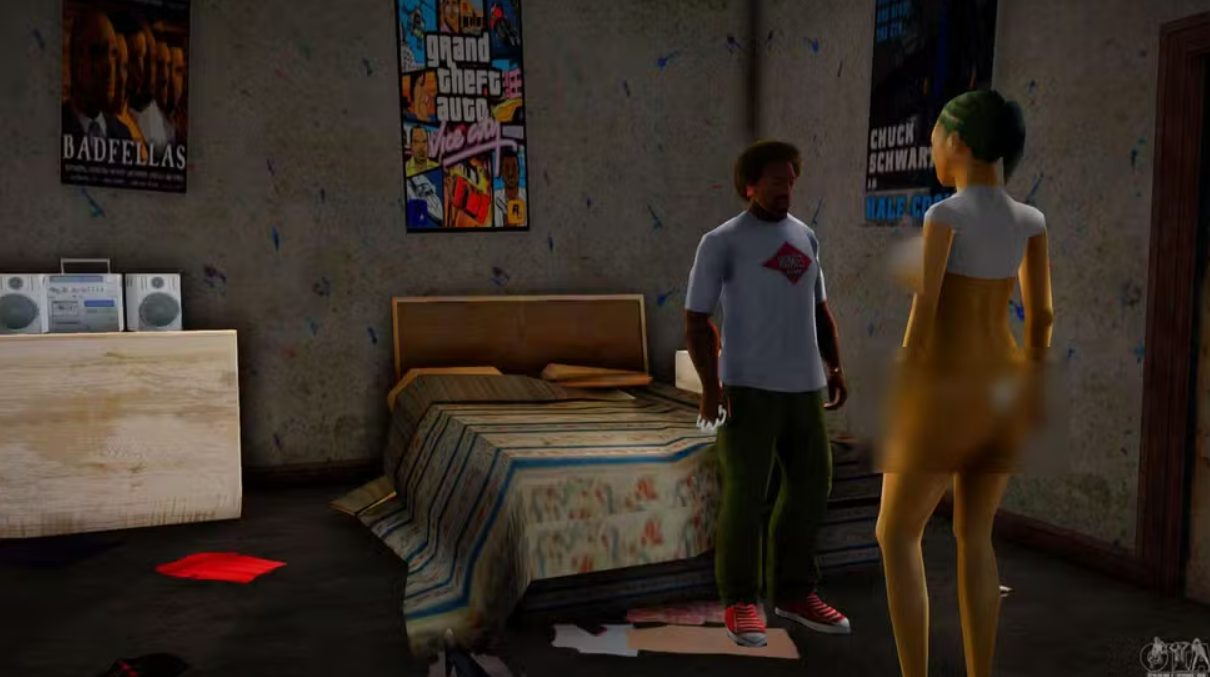
In July 2005, Rockstar faced the biggest scandal in its history when modders discovered explicit sexual content hidden in the code of GTA San Andreas. The “Hot Coffee mod” unlocked an interactive sex minigame between the protagonist CJ and his girlfriends — content that had been on the disc since its launch in 2004, but inaccessible without modifications.
The discovery provoked widespread moral panic. The Entertainment Software Rating Board (ESRB) changed the game’s rating from “Mature” (17+) to “Adults Only” (18+), the first and only time a GTA title has received that rating. Retailers including Walmart, Best Buy, and Target removed the game from shelves immediately.
Rockstar initially claimed the content had been created by external hackers, but investigators proved the code was embedded in the retail version. The Federal Trade Commission (FTC) concluded that Take-Two and Rockstar violated the Federal Trade Commission Act of 1914 by failing to disclose the existence of “unused but potentially viewable sexual content.”
The loss was astronomical: $20.1 million in class action settlements, plus the costs of reprinting and redistributing revised versions of the game. Brothers Sam and Dan Houser spent 9 hours being interrogated by agents of the FTC (Federal Trade Commission) in January 2006.
The scandal also strengthened activists such as lawyer Jack Thompson, who filed billion-dollar lawsuits against the company claiming that games like GTA were “murder simulators” responsible for violent crimes in real life.
Thompson even sued Rockstar for US$600 million in the Devin Moore case, an 18-year-old who killed two police officers and an emergency responder after allegedly playing GTA Vice City obsessively. Thompson was removed from the case by the judge and had his temporary Alabama license suspended; the case was later dismissed. Thompson was eventually permanently disqualified from the Florida Bar in 2008 for 27 instances of inappropriate conduct.
Recently, Rockstar Games co-founder Dan Houser revealed who feared that Rockstar would be closed due to the extent of the controversy surrounding the Hot Coffee mod issue: “I was constantly worried that we might get shut down after that,” Houser confessed.
2. The wives’ anonymous letter
The first major public scandal began in an unusual way: with an anonymous letter attributed to the wives of Rockstar San Diego employees. In January 2010, during the development of the first Red Dead Redemption, the document denounced brutal working hours that lasted 12 hours a day, six days a week.
The document denounced brutal working hours that lasted 12 hours a day, six days a week. Employees reported receiving calls from supervisors during dinners with their families asking when they would return to the office that evening. The letter revealed that Rockstar even offered a laundry service at the office during the crunch — evidence that workers wouldn’t even have time to wash their own clothes at home. The letter also highlighted salary increases below the industry average and a lack of appreciation for the health and well-being of employees.
A few days after the letter was published, Rockstar responded, regretting that some former members did not find their time at the company enjoyable or graphically creative, and that they always care about people who are passionate about the project.
3. Dan Houser and the “100 hour week”
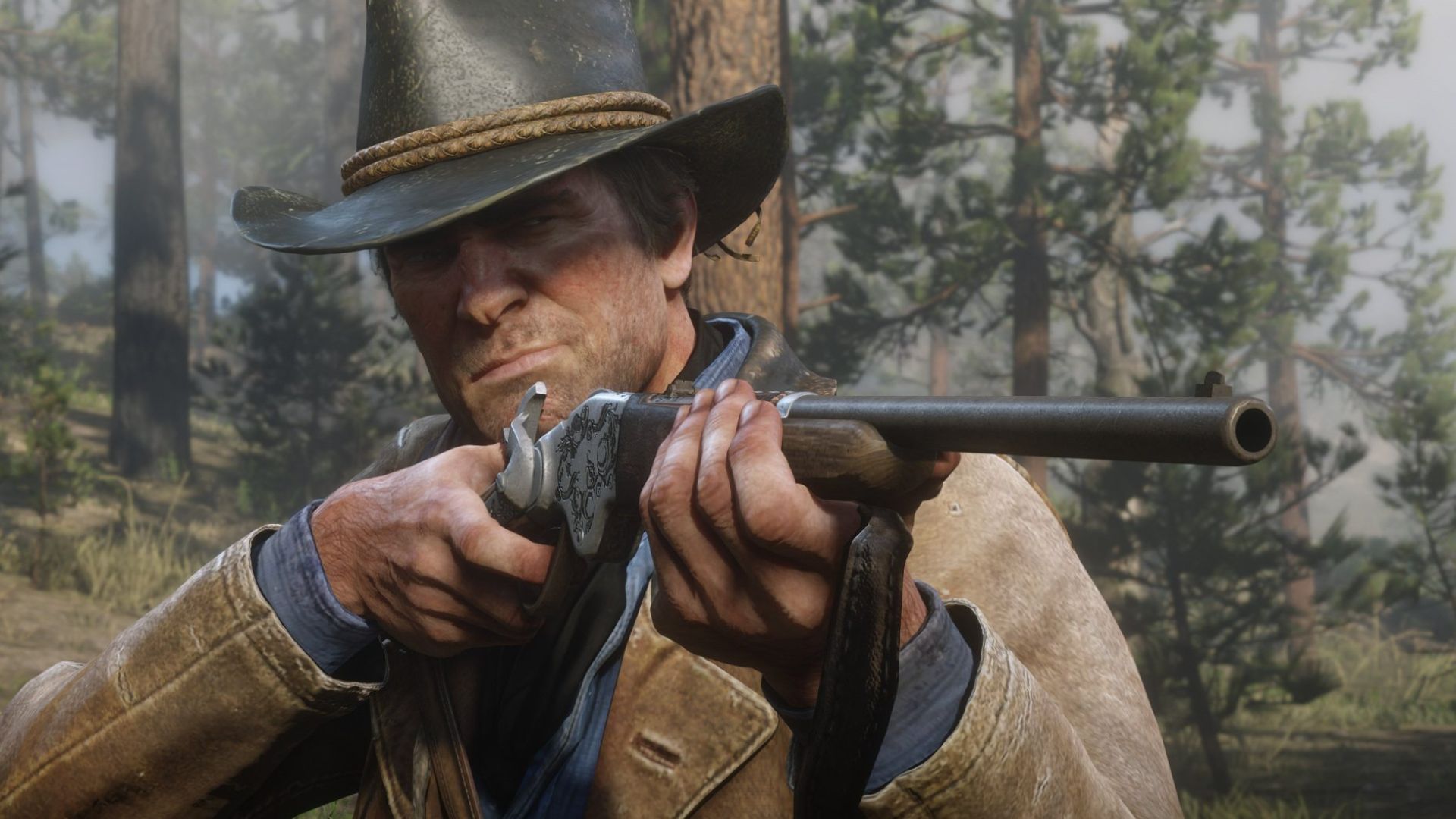
In October 2018, Dan Houser sparked a firestorm when he commented in an interview with Vulture magazine that the team had worked “several 100-hour weeks” while finishing Red Dead Redemption 2. The statement was made with a tone of pride, but it triggered immediate outrage in the developer community and the specialized press.
Houser later attempted to backtrack, clarifying that he was only referring to four people on the senior writing team within three weeks of completion. But the damage was done: dozens of current and former employees reached out to journalists to report your own experiences of prolonged crunching.
“There’s a lot of fear at Rockstar — fear of being fired, fear of underperforming, fear of being reprimanded.”a former employee told Kotaku. Six people interviewed independently used the term “culture of fear” to describe the work environment. Employees reported working 60 to 80 hours a week for one or two years at a time, with supervisors sending emails demanding “butts in chairs on Saturdays.”
A former Rockstar employee, Job Stauffer (who worked as communications director), compared his time at the company during the development of GTA 4 to ‘working with a gun to your head 7 days a week’.”
How Niko Bellic became GTA 4’s biggest limitation – according to Rockstar’s co-founder
4. Tax scandal: £42 million in subsidies, zero in taxes
In July 2019, Rockstar North found itself at the center of a controversy which did not involve his employees, but the pockets of British taxpayers. An investigation by TaxWatch UK revealed that the studio did not pay a single penny in UK corporate income tax between 2009 and 2018, despite receiving £42 million in government subsidies between 2015 and 2017.
The money came from the Video Games Tax Relief program, created in 2014 to support the British games industry, especially titles identified as “culturally British”. TaxWatch found that Rockstar North alone has claimed the equivalent of 19% of all tax relief paid to the UK games industry since the program’s inception.
The company was able to record a net loss for tax purposes over 10 years using tax credits and retrospective adjustments. The total amount of credit claimed by Rockstar North reached £70 million — almost six times its operating profit for the period.
You should read it too!
The Rockstar game that terrified players due to the difficulty of the final race
Source: https://www.hardware.com.br/artigos/rockstar-na-mira-4-momentos-polemicos-que-marcaram-a-historia-da-desenvolvedora-de-gta/