
Summary
-
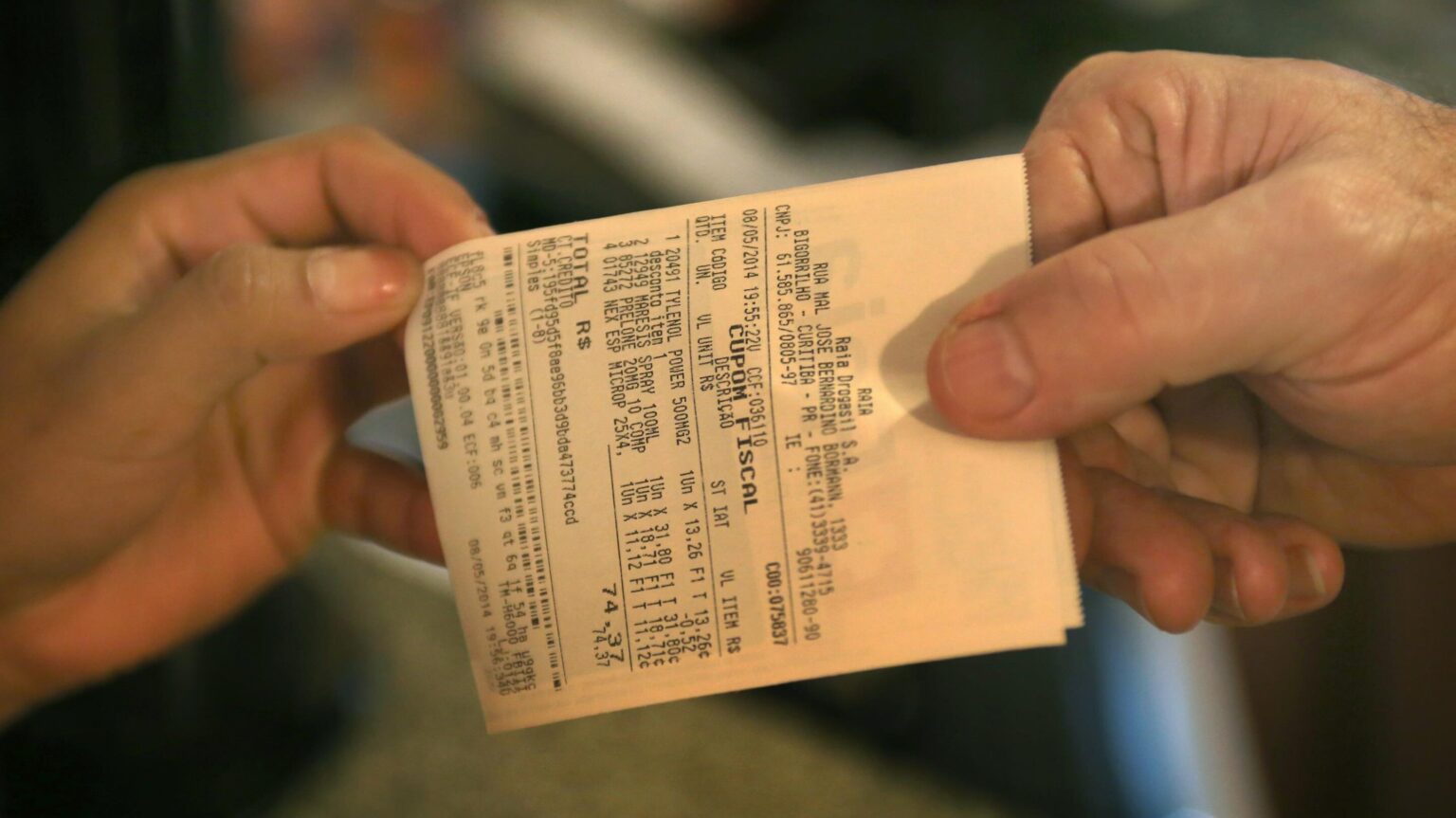
AI tools are being used to create fake invoices and receipts, making it difficult for companies to detect them.
-
In 2025, 14% of fraudulent documents analyzed by AppZen were generated by AI, a much higher number than in 2024.
-
Companies have turned to automatic audits and human reviews to contain fraud, but experts recognize that the problem is likely to grow.
The advancement of image, video and document generation tools using artificial intelligence has also opened up space for new forms of fraud. Companies that handle expense processing and reimbursements are already pointing out the problem: fake invoices and receipts created by AI.
According to a survey by the expense software platform AppZen, around 14% of fraudulent documents analyzed in September 2025 were produced with the help of artificial intelligence — a significant jump compared to 2024, when this type of fraud was not common. Fintech Ramp also reported having blocked more than $1 million in suspicious notes in the last 90 days.
How is AI being used?

The creation of counterfeit notes is not something new. With fraudulent receipts, employees can request reimbursement for expenses from companies. But AI tools have made the process much more sophisticated.
Unlike traditional forgeries, which required specific editing or manipulation skills, current systems can generate credible documents in seconds and with a level of detail that makes it easier to deceive.
To the Financial Timesexpert Chris Juneau stated that this has posed an unprecedented challenge to finance teams. “These receipts have become so good that we tell our clients, ‘Don’t trust your eyes,’” said the senior vice president and head of product marketing at SAP Concur, a company specializing in corporate expense management solutions.
The problem is that, even with advanced tools, detecting the use of AI is not always simple. There is already software that analyzes file metadata, which can indicate that it is a generated image. However, this information can be easily deleted by fraudsters.
Is there a solution?
One way to mitigate this type of fraud is to check suspicious patterns — such as repetition of names, times and travel data —, according to the Financial Times. For now, there is no barrier to entry for fraudsters.
Companies have also been looking for ways to protect themselves with automatic audits, human reviews and cross-checks. However, as the TechRadarAs generative tools evolve, experts recognize that identifying what is real or fake is becoming increasingly complex.
Source: https://tecnoblog.net/noticias/funcionarios-usam-ia-para-criar-notas-falsas-e-pedir-reembolso/